
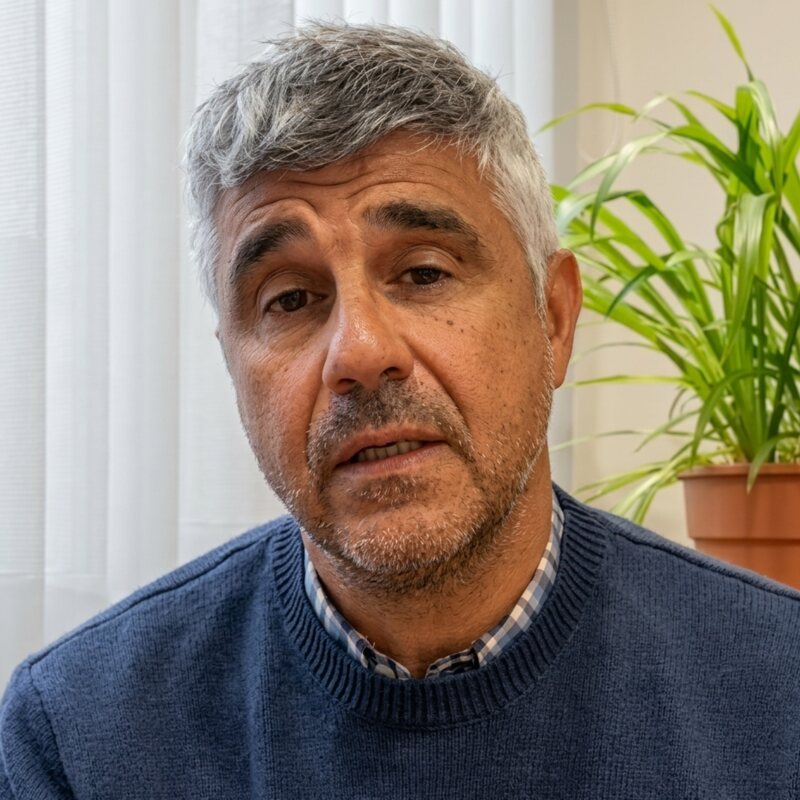
Dr. Marcelo Pérez
CEO
Estancia Numancia
An attorney and the fourth generation of a Patagonian ranching family approaching 100 years in the business. Together with his brother Pablo he manages Estancia y Cabaña Numancia, in Aldea Beleiro: 17,000 hectares in the Andean foothills of Chubut, with winters that reach 20 degrees below zero Celsius.
The ranch produces meat and wool with 400 Hereford cows and 9,500 Multipurpose Merino sheep, using artificial and laparoscopic insemination, selection for early maturity and hardiness, and electronic ear tags. His genetic improvement plan, begun in 2004, raised income per sheep from 60 to 110 dollars, and certified holistic grazing doubled forage production on natural rangeland.
Takes part in
- 11:30–12:30 Panel Panel 2 — Steppe, grasslands, and sheep farming
To examine the challenges and opportunities that extensive sheep farming on the Patagonian steppe faces in the context of climate change, in a fragile situation marked by desertification, the degradation of natural grasslands, and variable rainfall patterns. The panel will consider the role of sustainable management of natural grassland—through practices such as appropriate stocking rates, rotational resting of paddocks, regenerative grazing, and soil recovery—as a central tool for reconciling livestock productivity with conservation of the forage resource. The panel will highlight the production experience of several Patagonian sheep operations, the coordination among the public sector, INTA (the National Institute of Agricultural Technology), and producer organizations, and the financing and investment opportunities associated with sheep farming that is more resilient, more efficient, and better adapted to climate change.
Recordings will be available on the YouTube channel of the Province of Chubut once the event has concluded.